
In recent years, the real estate industry has undergone a remarkable transformation, with sustainable homes emerging as a focal point for both buyers and investors.
This shift is not merely a passing trend but a reflection of a broader commitment to environmental responsibility, economic efficiency, and enhanced quality of life.
As we delve deeper into this topic, we’ll explore the factors driving the demand for sustainable housing and the implications for the future of real estate.
The Surge in Demand for Sustainable Homes
Several key factors contribute to the increasing demand for sustainable housing:
- Environmental Awareness: As global concerns about climate change escalate, individuals are seeking tangible ways to reduce their carbon footprint.Sustainable homes, designed with eco-friendly materials and energy-efficient systems, offer a practical solution for those aiming to live more responsibly.
- Economic Benefits: Energy-efficient homes lead to substantial savings on utility bills. Features such as advanced insulation, solar panels, and energy-efficient appliances significantly reduce energy consumption, translating to lower costs for homeowners over time.
- Health and Well-being: Sustainable homes often incorporate non-toxic materials and superior ventilation systems, promoting healthier indoor environments.This focus on well-being is increasingly appealing to health-conscious buyers who prioritize both their health and that of the planet.
Key Features Driving the Popularity of Sustainable Homes
The allure of sustainable homes lies in their innovative features:
- Energy Efficiency: Incorporating state-of-the-art insulation, smart home technologies, and energy-efficient appliances ensures reduced energy consumption and cost savings, making these homes both eco-friendly and economically viable.
- Use of Renewable Materials: Building with renewable, eco-friendly materials minimizes environmental impact and promotes sustainability, aligning with the values of environmentally conscious consumers.
- Intentional Architecture: Designing homes with intentional architecture enhances natural light usage and reduces reliance on artificial lighting, contributing to energy efficiency and creating more pleasant living spaces.
- Water Conservation: Implementing water catchment systems and efficient fixtures conserves water, addressing the growing concern of water scarcity and promoting responsible resource use.
Market Trends Reflecting the Shift Towards Sustainability
The real estate market is adapting to this green revolution in several notable ways:
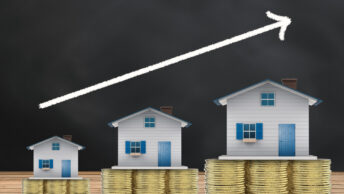
- Increased Property Values: Homes with eco-friendly features often have higher desirability and competitive advantages, leading to increased property values. Buyers are willing to invest more in properties that offer long-term sustainability and cost savings.
- Green Certifications: Properties with green certifications are gaining traction, dispelling myths that eco-friendly certifications hinder marketability. Many such homes spend similar time on the market as traditional properties, indicating growing acceptance among buyers.
- Financial Incentives: The rise in demand for green homes has led to an increase in sustainable construction practices and a surge in the availability of eco-friendly properties.Financial incentives, such as tax breaks and rebates, further encourage buyers to consider sustainable options.
The Role of Prefabricated and Modular Homes
Innovations in construction, such as prefabricated and modular homes, are addressing housing crises by offering sustainable solutions:
- Efficiency and Affordability: Companies specializing in eco-friendly, prefabricated Accessory Dwelling Units (ADUs) provide affordable living spaces without the high costs of traditional housing. These solutions offer quick construction times and reduced waste.
- Policy Support: Support for harmonizing modular construction codes nationwide facilitates off-site building, reduces development times, and addresses housing shortages, making sustainable housing more accessible to a broader population.
The future of real estate is undeniably green. The rising demand for sustainable homes is a testament to a collective shift towards environmental responsibility, economic prudence, and healthier living environments.
As the industry continues to innovate and adapt, embracing sustainability is not just an option but a necessity for builders, investors, and homeowners alike.
Ready to Invest in a Sustainable Future?
If you’re considering purchasing a home or investing in real estate, now is the perfect time to explore sustainable options.
Not only do they offer long-term savings and health benefits, but they also contribute positively to our planet.
Contact us today to learn more about available sustainable properties and how you can be part of the green revolution in real estate.